
Selective peripheral nerve procedures can calm the overactive signals driving spastic muscles — improving comfort, positioning, hygiene, and function after stroke or neurologic injury.
Nerve procedures
Overactivity
Function
Spasticity is excessive muscle tightness caused by overactive nerve signaling after stroke, brain injury, or spinal cord injury. Selective peripheral neurectomy reduces the overactive input to a spastic muscle by precisely interrupting a portion of its motor nerve.
The result is a calmer, more usable limb — easing positioning, hygiene, and pain — while preserving as much useful function as possible. Treatment is tailored to each patient’s pattern of spasticity and goals.
Tight, contracted muscles limiting use after stroke.
Spasticity following traumatic brain or spinal cord injury.
When tightness interferes with hygiene, positioning, or causes pain.
The specific spastic muscles and their nerves are identified.
Targeted blocks predict the effect of reducing each nerve's input.
A portion of the motor nerve is precisely interrupted to reduce overactivity.
Therapy capitalizes on the improved tone to build function.
Peripheral nerve surgery is its own discipline. Dr. Michaeli has dedicated his practice to the nerves, with fellowship-level training and thousands of nerve procedures.
Nerve work is measured in millimeters. Every repair is performed under high-magnification with microsurgical instruments and the latest reconstructive techniques.
Many patients arrive having been told nothing more can be done. A dedicated nerve evaluation often reveals options that general specialists do not offer.
The surgical site heals; reduced tightness is often noticeable early.
Positioning, hygiene, and comfort improve with therapy.
Function is optimized as rehabilitation progresses.
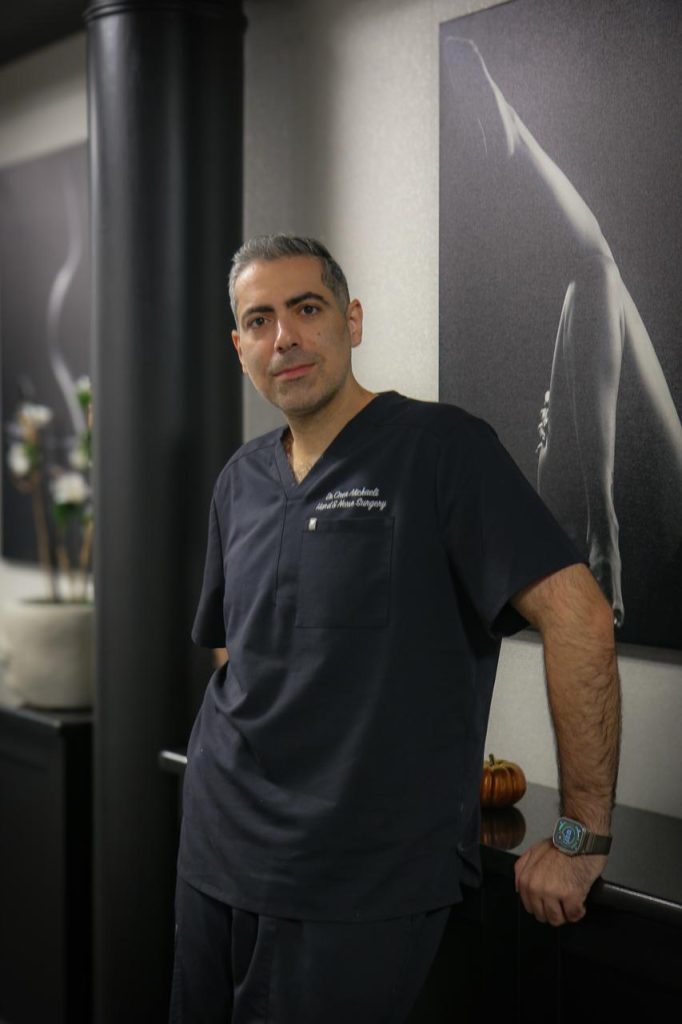
Peripheral Nerve & Brachial Plexus Surgeon · New Jersey & New York
Dr. Michaeli is among the most experienced and trusted peripheral nerve specialists on the East Coast, combining board-certified hand surgery expertise with dedicated peripheral nerve training. He has helped patients across the region regain function when they were told nothing more could be done.
Most peripheral nerve procedures are medically necessary and covered by insurance. Our team will help you understand your benefits and assemble the documentation your plan requires.
How selective nerve procedures reduce muscle overactivity while preserving function.
A short explainer video from Dr. Michaeli will appear here. Replace the poster with your YouTube or Vimeo embed when ready.
“After years of being told my pain was something I’d have to live with, Dr. Michaeli found the nerve causing it and fixed it.”
Neuroma surgery
“I had given up hope of using my hand again. The nerve transfer gave me back movement the other doctors said was gone.”
Nerve transfer
“The carpal tunnel release was quick and the night pain was gone immediately. I only wish I’d done it sooner.”
Carpal tunnel release
Schedule a consultation with Dr. Michaeli to understand your options and build a plan that fits your life.