
A neuroma is a disorganized tangle of nerve fibers that forms after a nerve is cut, crushed, or trapped. It can generate intense, electric, hard-to-localize pain — and it is treatable.
Origin of pain
Surgical solutions
Modern techniques
When a nerve is injured, the fibers try to regrow. If they have nowhere organized to go, they form a neuroma — a sensitive ball of nerve endings that fires pain signals on its own. Tapping over it often produces a sharp electric jolt (a positive Tinel’s sign).
Neuromas can follow surgery, trauma, or amputation. Modern peripheral nerve surgery does more than simply remove the painful tissue — it gives the nerve a healthy place to terminate so the pain does not return.

Fig: Close-up of a bulbous neuroma — disorganized nerve fibers forming a painful mass at the end of an injured nerve.
Common causes include surgical incisions, traumatic lacerations, crush injuries, and amputations. Sometimes a neuroma forms within an intact nerve after a partial injury — a neuroma-in-continuity.
Diagnosis is largely clinical — a precise history and an exam that reproduces the pain. Diagnostic nerve blocks can confirm which nerve is responsible, and imaging or ultrasound may help map the neuroma before surgery.
Peripheral nerve surgery is its own discipline. Dr. Michaeli has dedicated his practice to the nerves, with fellowship-level training and thousands of nerve procedures.
Nerve work is measured in millimeters. Every repair is performed under high-magnification with microsurgical instruments and the latest reconstructive techniques.
Many patients arrive having been told nothing more can be done. A dedicated nerve evaluation often reveals options that general specialists do not offer.
Examination, nerve studies, and diagnostic blocks identify the exact nerve generating your pain.
From decompression to neuroma surgery, treatment is matched to the cause.
The goal is not to mask pain but to address its nerve source so relief endures.
The incision heals and the acute tenderness begins to subside.
The treated area settles. Therapy helps retrain hypersensitive tissue.
Because the nerve is given a healthy endpoint, pain relief continues to improve and stabilize.
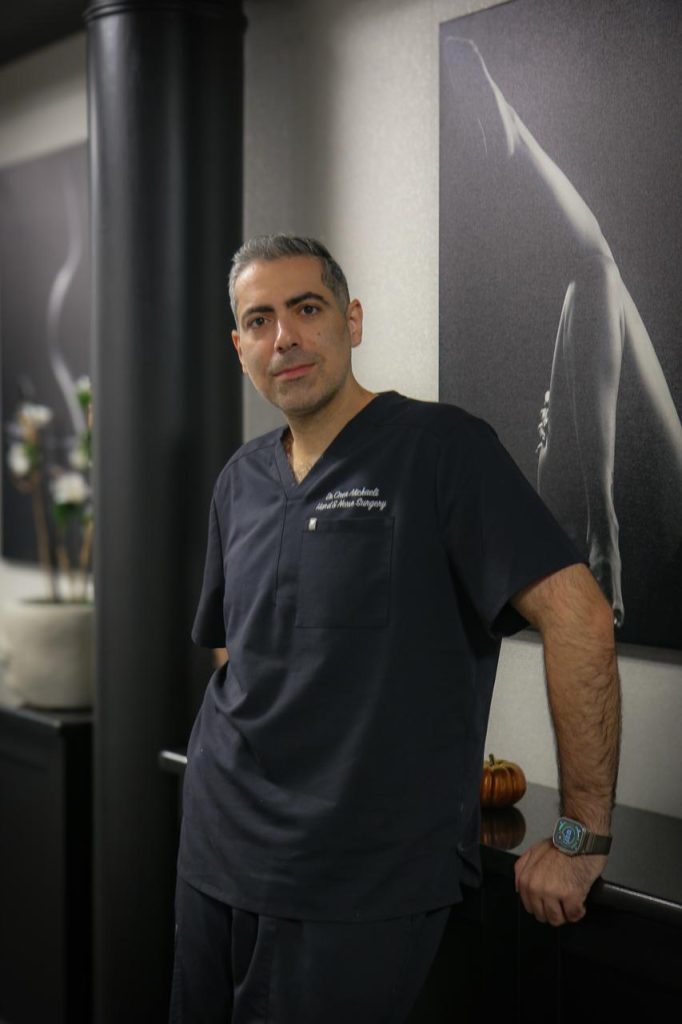
Peripheral Nerve & Brachial Plexus Surgeon · New Jersey & New York
Dr. Michaeli is among the most experienced and trusted peripheral nerve specialists on the East Coast, combining board-certified hand surgery expertise with dedicated peripheral nerve training. He has helped patients across the region regain function when they were told nothing more could be done.
Why neuromas hurt, why old approaches fail, and how RPNI and TMR provide lasting relief.
A short explainer video from Dr. Michaeli will appear here. Replace the poster with your YouTube or Vimeo embed when ready.
“After years of being told my pain was something I’d have to live with, Dr. Michaeli found the nerve causing it and fixed it.”
Neuroma surgery
“I had given up hope of using my hand again. The nerve transfer gave me back movement the other doctors said was gone.”
Nerve transfer
“The carpal tunnel release was quick and the night pain was gone immediately. I only wish I’d done it sooner.”
Carpal tunnel release
Simply cutting a neuroma often lets it regrow. Techniques like RPNI and TMR give the nerve a healthy place to terminate, dramatically reducing recurrence.
Yes — a neuroma-in-continuity forms after a partial injury. It requires careful microsurgical assessment to treat without sacrificing healthy fibers.
No. Many nerve conditions are first managed without surgery. Dr. Michaeli will recommend the least invasive effective option for your specific situation and only proceed to surgery when it offers the best outcome.